


 133.41 KB
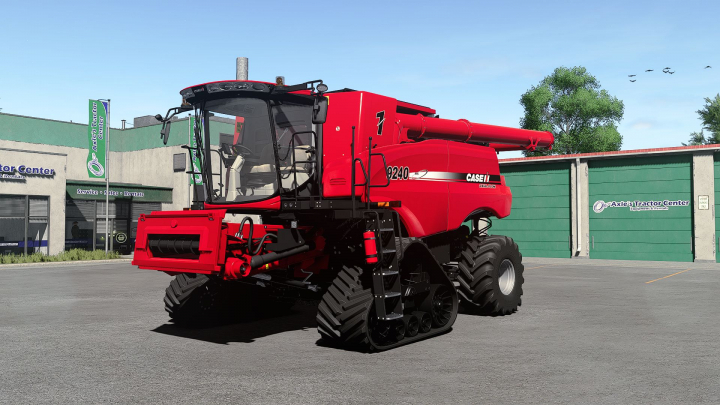

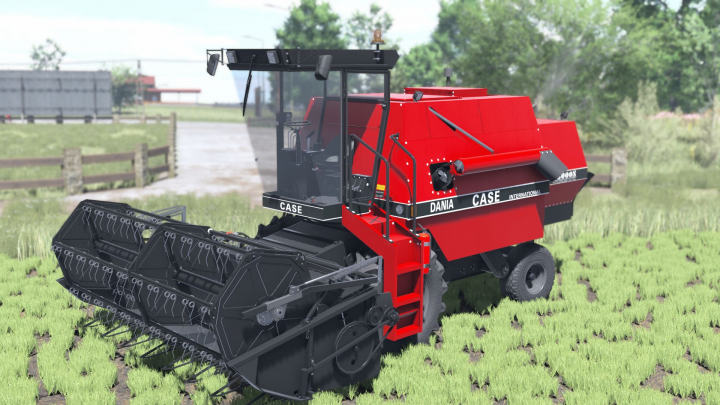
Case IH Axial-Flow 240 Series V1.0.0.1


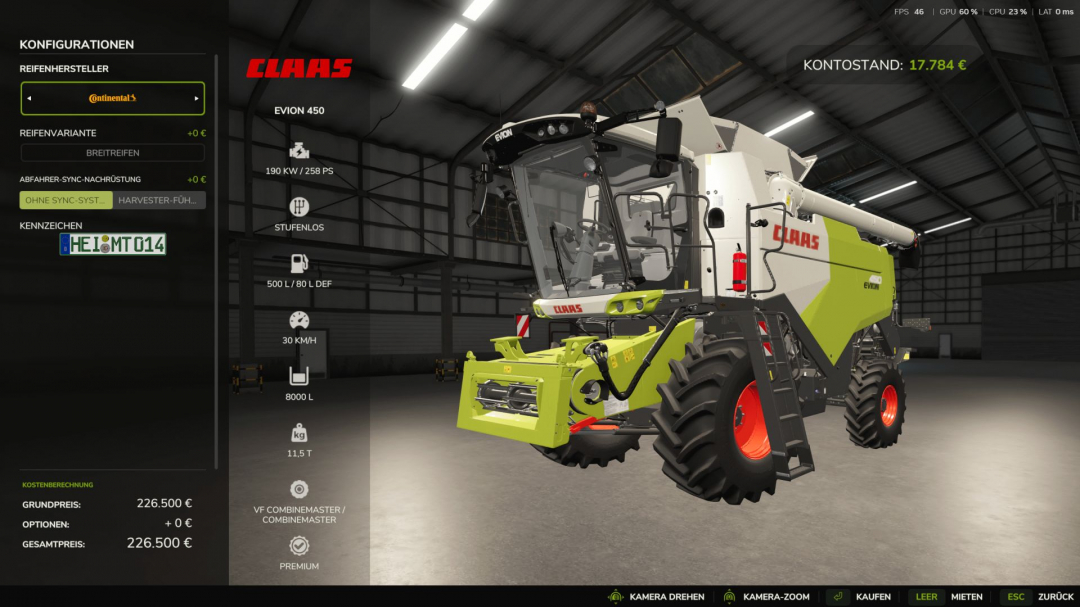
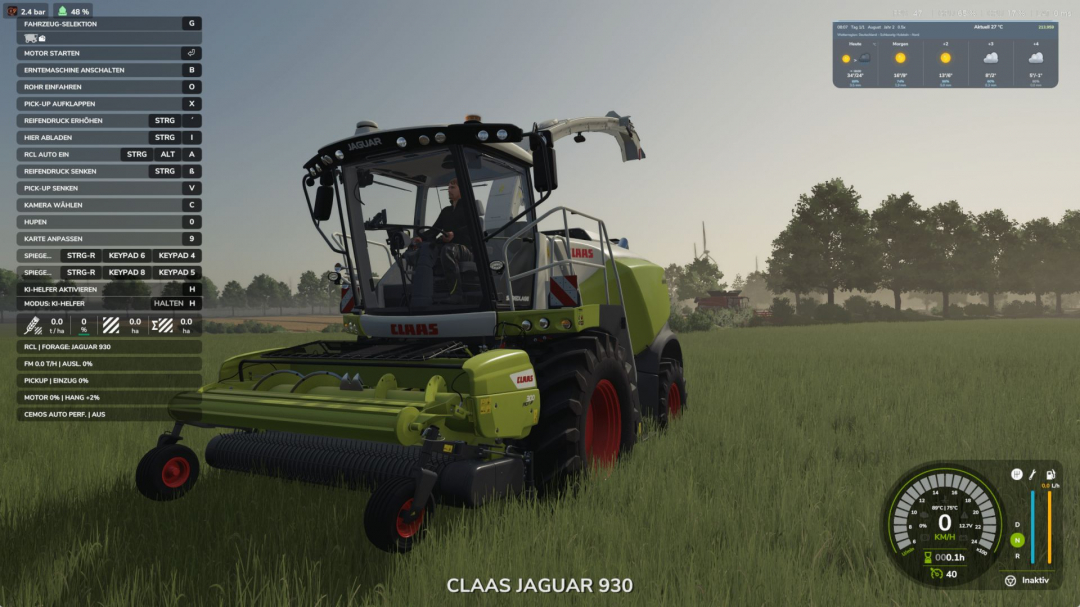
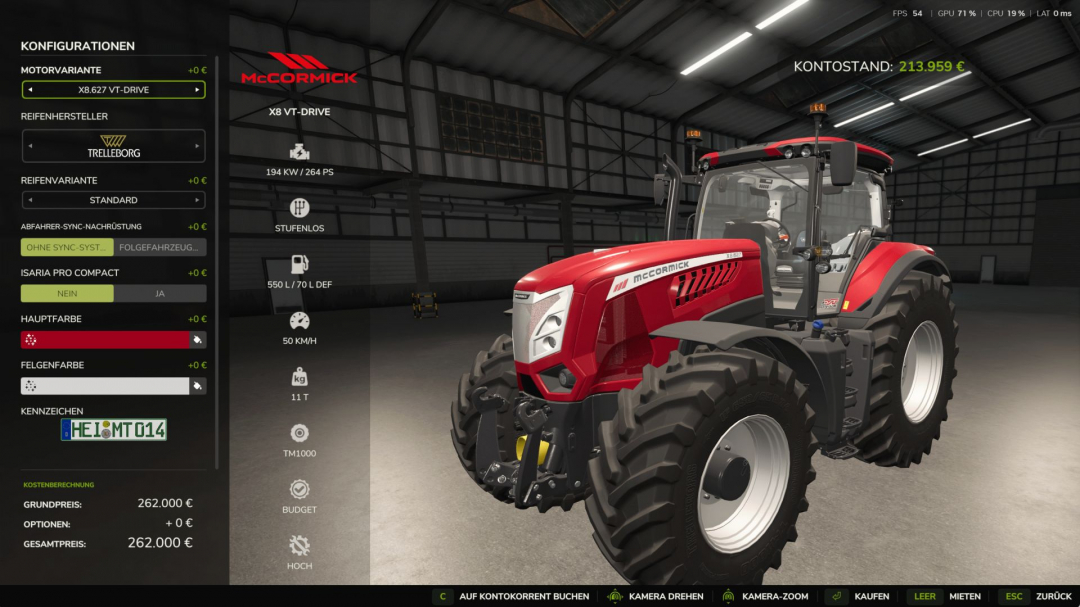
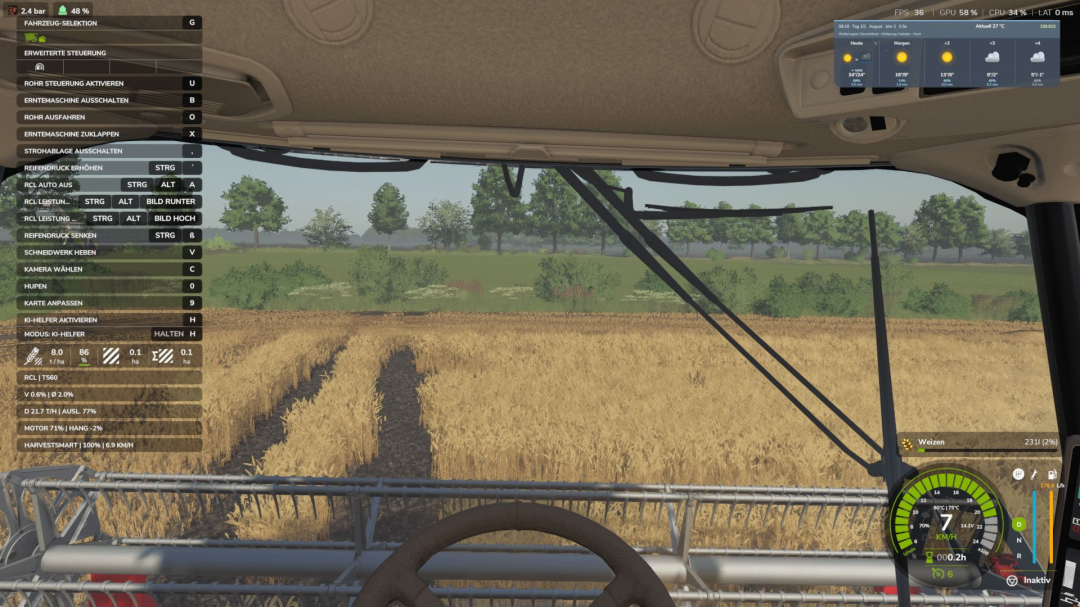
Realistic Combine enhances combine harvesters and forage harvesters in LS 25 with a dynamic system that adjusts harvesting performance and throughput. Yield, crop quantity, engine power, engine speed, and driving speed are interconnected. A light load puts minimal strain on the machine, while high yields increase material intake, strain the engine, and reduce working speed. Overloading can cause engine and travel speed drops, and excessive overload may lead to increased harvest losses. Manufacturer Automatic Recognition For known machines, Realistic Combine detects the brand, model, or series and assigns the appropriate automatic family from the manufacturer. It does not read the machine’s electronics or replicate manufacturer programs exactly but recognizes the vehicle and applies the corresponding automatic system’s operating principles to the Farming Simulator. Supported Automatic Families include: CLAAS CEMOS AUTOMATIC / CRUISE PILOT CLAAS JAGUAR CEMOS AUTO PERFORMANCE John Deere HarvestSmart John Deere Predictive Ground Speed Automation Case IH Harvest Command New Holland IntelliSense / IntelliCruise II Fendt IDEALharvest / HarvestPlus Rostselmash RSM Adaptive Cruise Control KRONE BiG X ConstantPower If a suitable CLAAS LEXION is recognized, RCL assigns it to the CEMOS/CRUISE PILOT family. For a JAGUAR, it uses CEMOS AUTO PERFORMANCE, and for a KRONE BiG X, it uses ConstantPower. The automatic recognition influences processing capacity, target utilization, reaction behavior, and speed control tailored to the machine class. If the automatic system cannot be clearly identified, the system remains active using generic load and flow control, avoiding incorrect automation display. Vehicle Detection The internal database contains 240 combine profiles, including 204 specific models and 36 series or family profiles from around 16 manufacturer groups. Profiles consider different machine classes, threshing systems (walkers, rotors, hybrids), and performance ranges. Recognition of Mod Combines Realistic Combine recognizes mod vehicles if they use standard GIANTS vehicle functions for combine, engine, drive, and control. Recognition starts with the specific model; if unknown, it attempts to identify a series or family. If still unknown, a generic profile is created based on vehicle data and engine power, ensuring realistic performance even for unrecognized mods. Forage Harvesters and Mod Shredders Forage harvesters are recognized via GIANTS technology and are not limited to a fixed list. Properly constructed mod forage harvesters are automatically recognized. RCL uses a dedicated fresh mass model, considering throughput, engine power, intake, chopping drum, ejection, cutting length, header, slope, and load. Grain or threshing loss is not calculated. Known shredders can be assigned manufacturer automatic systems, e.g., CLAAS JAGUAR with CEMOS AUTO PERFORMANCE or KRONE BiG X with ConstantPower. Unknown mod shredders use the full RCL performance model. Grass Pickup Grass pickups are distinguished from corn heads. Native GIANTS pickups and many mod pickups are recognized automatically. Light swaths allow higher speeds; heavy swaths increase load, potentially reaching performance limits before engine capacity is fully used. No full scans or DensityMap are needed. Automatic Harvesting Guide Activate RCL Auto with Left Ctrl + Left Alt + A. The display shows READY initially. Set your maximum desired working speed on the normal cruise control; RCL regulates speed below this limit based on load. Turn on the combine or forage harvester and activate cruise control (button 3). When crop is picked up, RCL switches to ACTIVE and manages cruise control automatically. For example, if set to 12 km/h, the machine travels at nearly that speed with light crops. As load increases, RCL reduces speed to 9, 7, or 5 km/h, even creeping if overloaded. When flow diminishes, RCL releases cruise control after a short delay, restoring previous speed. RCL Auto remains active after deactivation; return to the crop and press button 3 to resume operation. Effects on the Combine Harvest quantity impacts throughput, engine load, working and driving speeds, threshing system load, and losses during overload. The straw chopper also consumes power, with load depending on material and straw laying. The simulation functions even when automatic harvesting is off; manually driving into heavy crops increases engine load, reduces speed, and can increase grain losses. Engine Power and Performance Engine horsepower directly influences processing capacity and reserves but does not allow unlimited speed. Factors like harvest mass, machine type, header, slope, and load remain critical. Small combines feel different from large, high-power machines. Slope Handling Uphill driving requires more engine power, reducing available power for threshing or chopping, causing RCL to slow down sooner. Downhill driving does not accelerate endlessly. Integrated Downhill Synchronization Realistic Combine includes vehicle sync for harvesters and downhill tractors, which can be retrofitted in the shop or workshop (Follow-up vehicle/tractor: €4,990; Harvester guidance system: €5,990). Recognized mod tractors, harvesters, and forage harvesters use GIANTS vehicle functions. Start Sync: Left Alt + U. Steering remains with the driver; RCL synchronizes travel speed and longitudinal distance. If the harvester slows due to crop load, the synchronized vehicle reacts accordingly. Automatic Reconnection Auto Reconnect is enabled by default. If connection is interrupted (e.g., turning or distance), RCL remembers the last connected harvester and reconnects automatically when in range. The driver does not connect to another nearby harvester unintentionally. Performance and Multiplayer Compatibility RCL uses existing GIANTS data and vehicle functions, avoiding full field scans or crop calculations, ensuring compatibility with multiplayer and dedicated servers. Goal of Realistic Combine The system aims to produce more realistic harvesting behavior by linking yield, throughput, engine power, engine speed, and driving speed. It responds to conditions such as harvest mass and overload, providing a dynamic and authentic experience. Updates (V1.0.1.4): Throughput, engine load, RPM, and loss calculations have been expanded and stabilized. The F1 display now shows throughput, utilization, losses, yield, and moisture, with manufacturer-specific automation systems correctly named. The vehicle database expanded to 259 profiles, including fallback options for unknown mods. Moisture modeling now optionally uses Ozz’s Moisture System, reflecting actual crop moisture and thresholds. Compatibility with multiplayer and weather data has been improved. CEMOS detection for CLAAS forage harvesters has been corrected, with CEMOS AUTO PERFORMANCE available only for recognized JAGUAR 900/1000 series.
Comments:
Login to place a comment: Login