


 54.80 MB
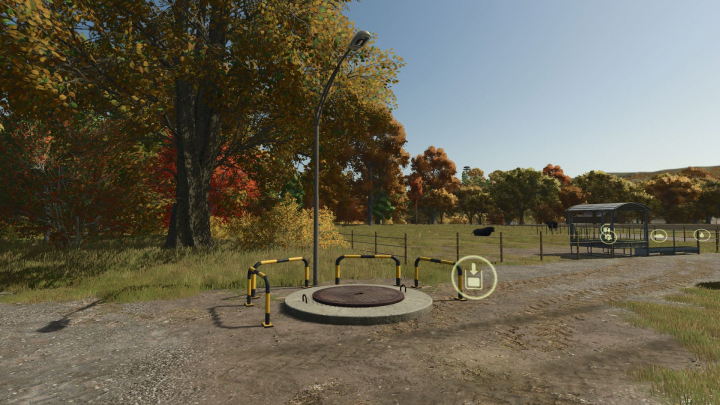

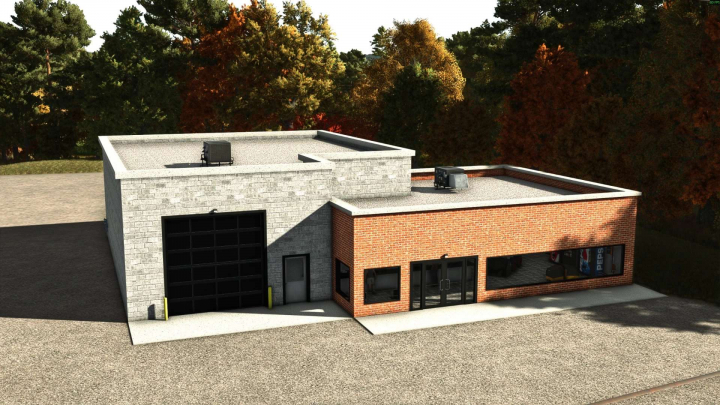
DF courtyard water station M2 (underground well shaft) V1.0.0.1


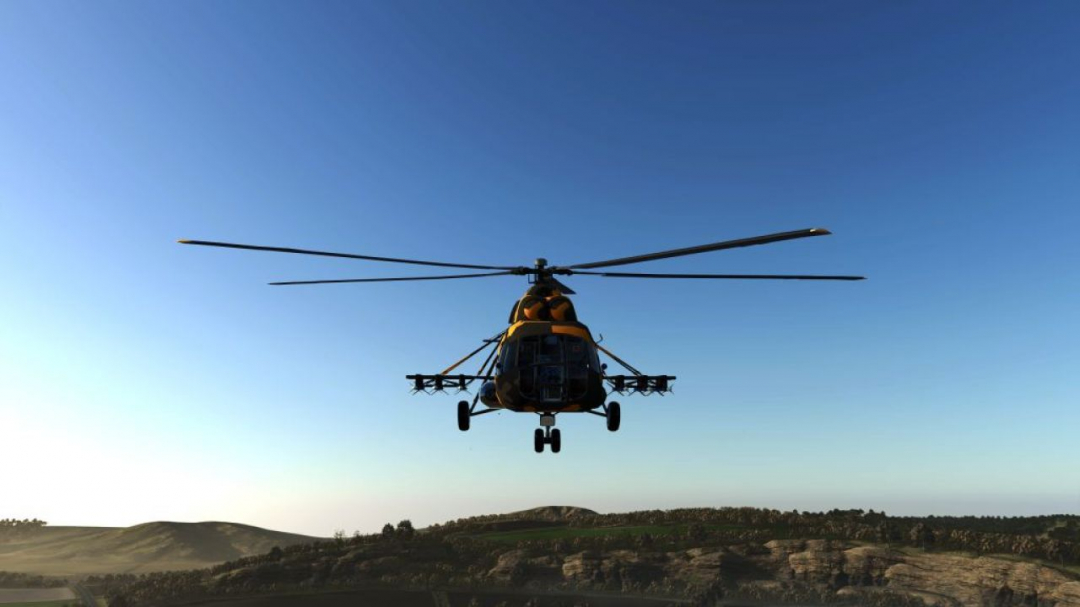
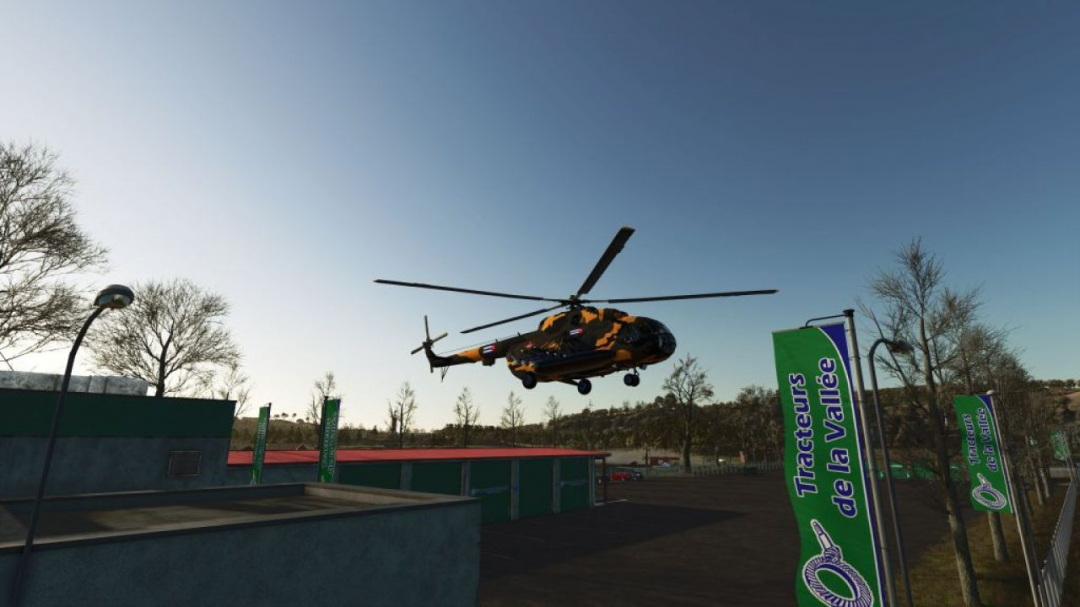
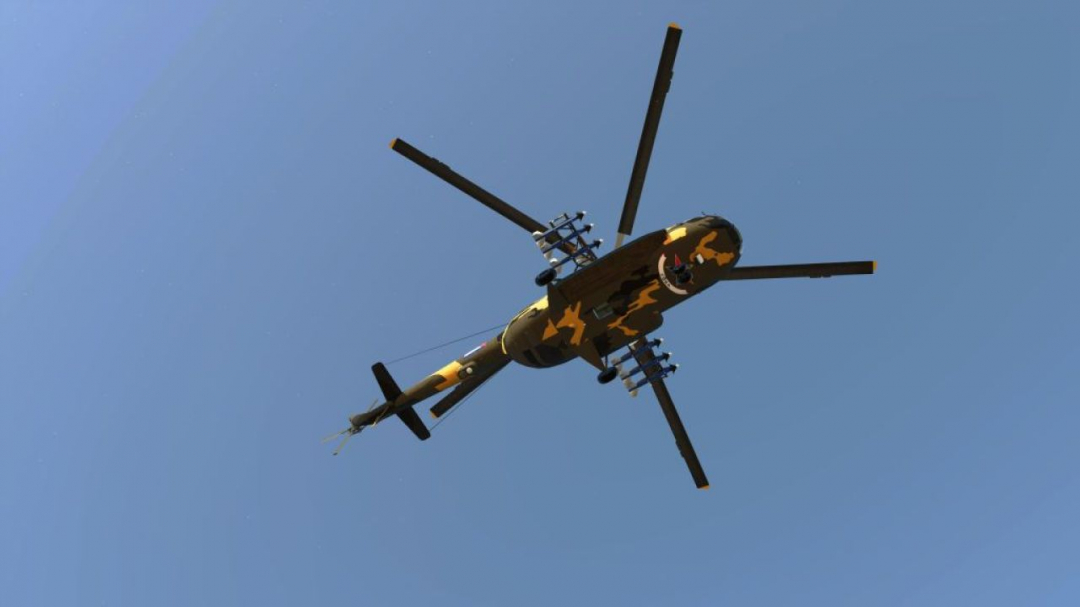
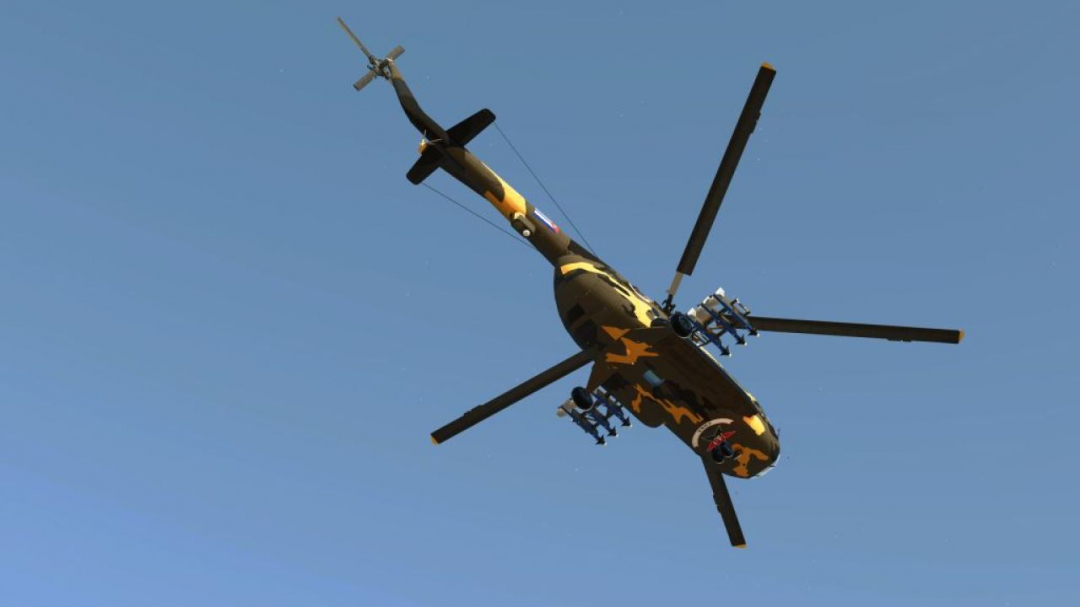
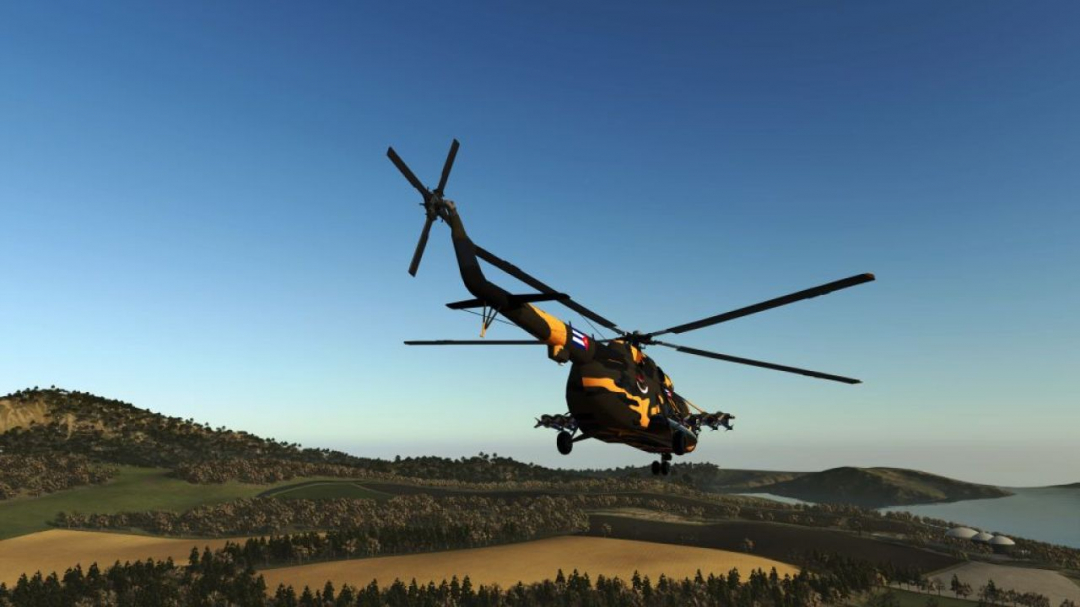
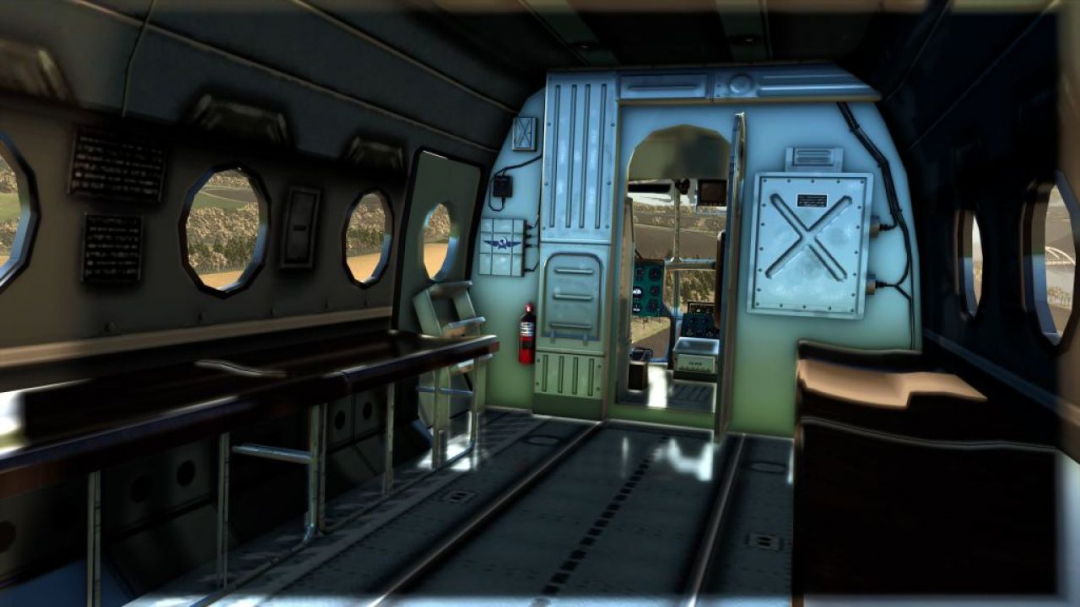
Technical Profile and Summary of the Mil Mi-8 (NATO reporting name: Hip) The Mil Mi-8 is a medium twin-engine utility and transport helicopter of Soviet/Russian origin, widely recognized as one of the most produced and versatile rotary-wing aircraft in history. **Key Specifications** Propulsion: Powered by two turboshaft engines (originally Klimov TV2-117 in base variants like the Mi-8T, with improved TV3-117 engines in later versions) mounted on top of the fuselage, providing redundancy and safety during flight if one engine fails. Rotor System: Equipped with a 5-blade main rotor and a tail rotor for directional yaw control. Capacity and Payload: Its spacious cabin can carry up to 24 to 28 fully equipped troops, approximately 12 stretchers for medical evacuation (MEDEVAC), or an internal payload of up to 4,000 kg. It also has an external cargo sling capable of carrying up to 3,000 kg. Speed and Range: Achieves a cruising speed of about 225 to 230 km/h and a maximum speed of around 250 km/h, with a standard combat radius of approximately 450 to 500 km, extendable with auxiliary fuel tanks. **Summary and Military Utility** Swiss Army Knife Versatility: Used in both military and civilian roles, including troop transport, tactical insertion, logistical resupply, search and rescue (SAR), and firefighting. Armed Variant (Gunship): Some military versions (such as the armed Mi-8T or the Mi-8TV / Mi-8AMTSh) can be equipped with external weapon pylons to carry unguided rockets, bombs, or anti-tank missiles, making them effective for close air support missions.
Comments:
Login to place a comment: Login