


 1.82 MB

Shaders By Marek_z_zetora V1.0


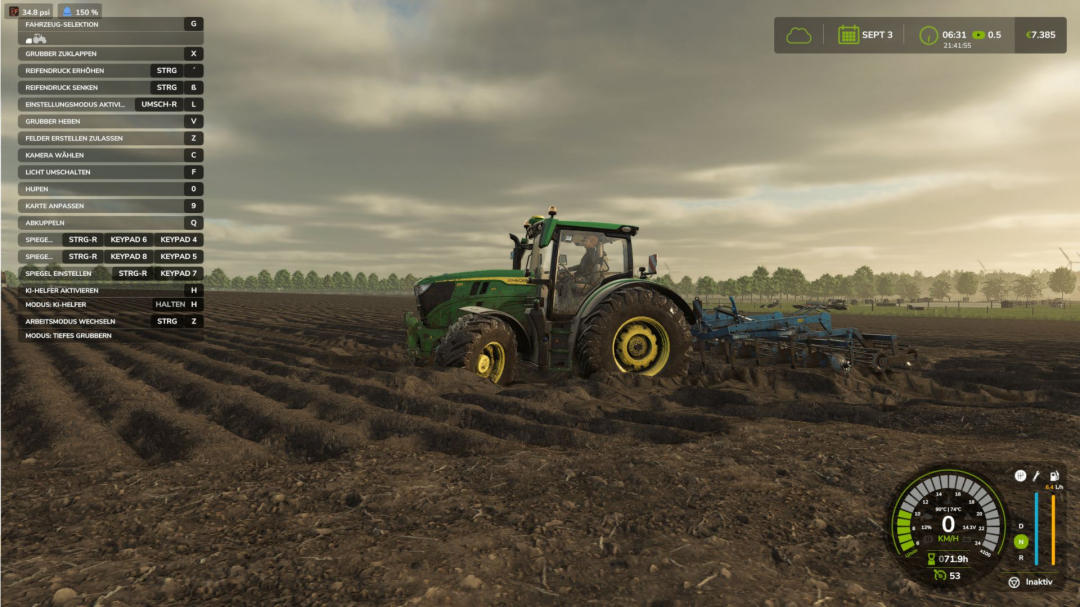
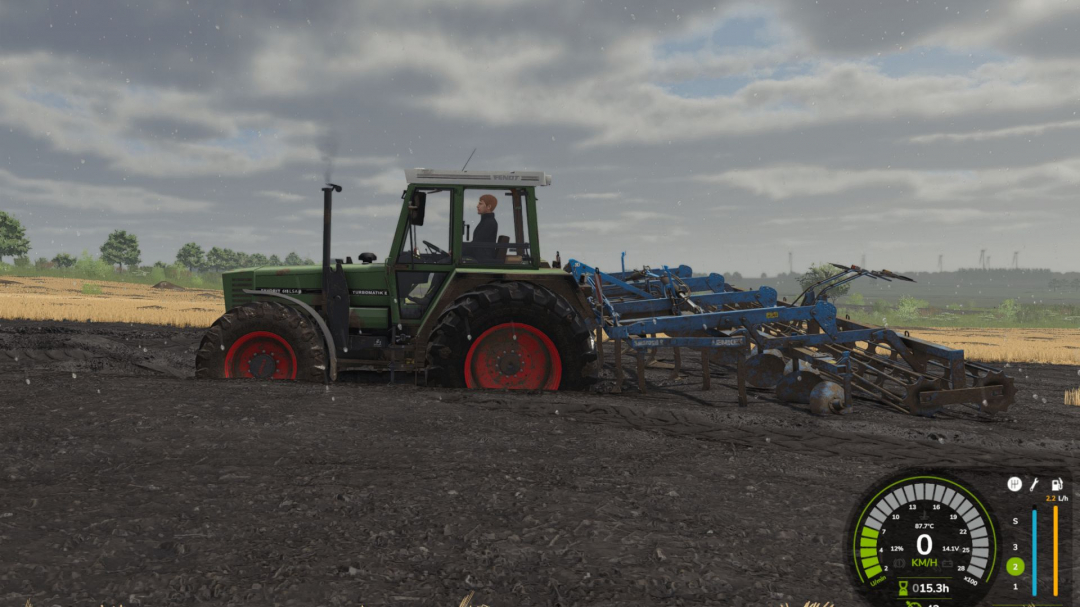
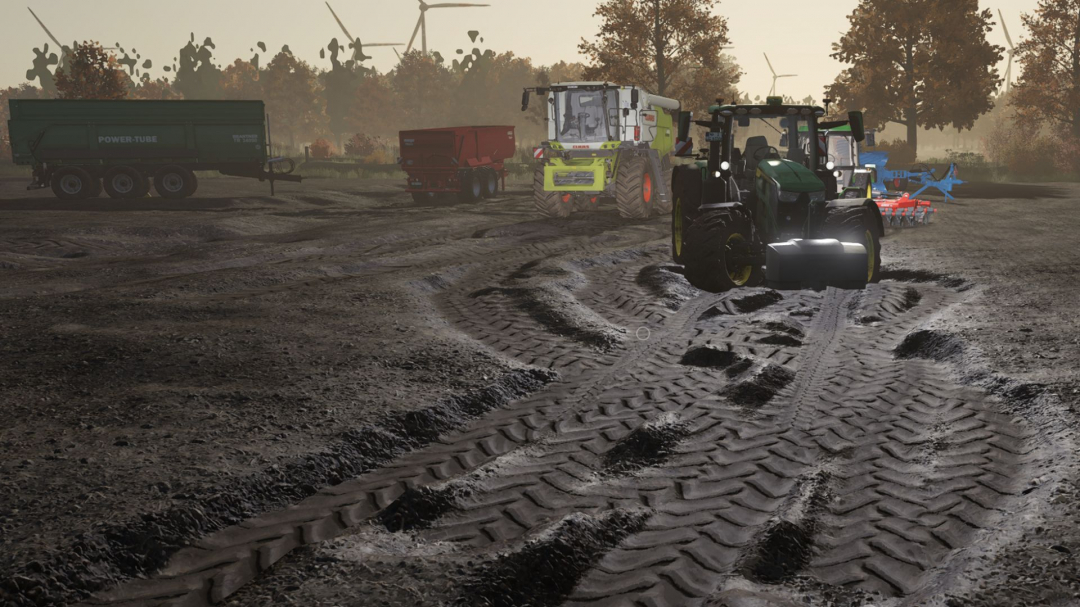
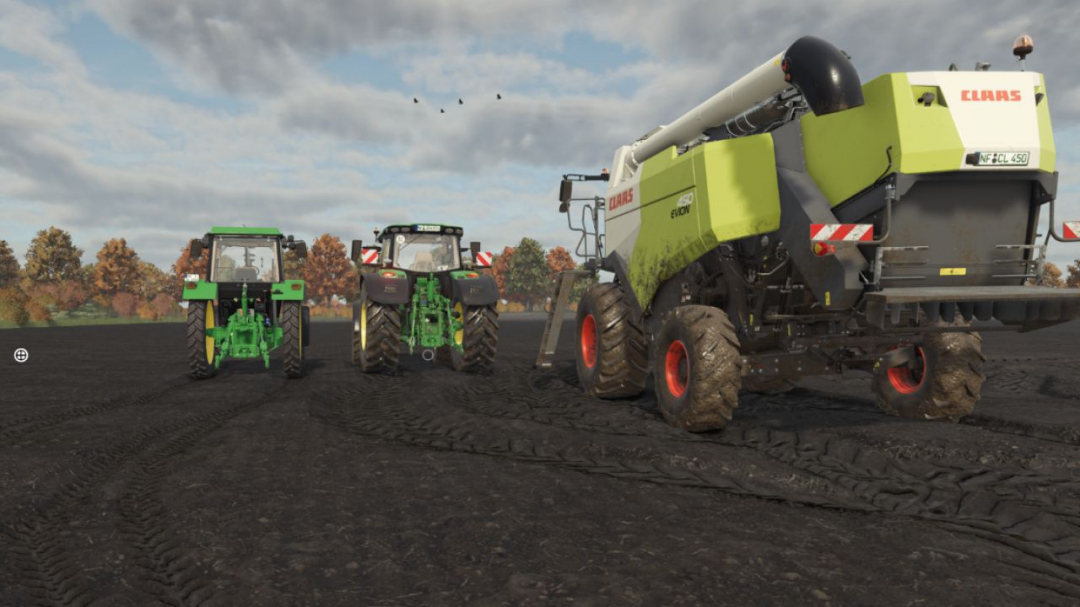
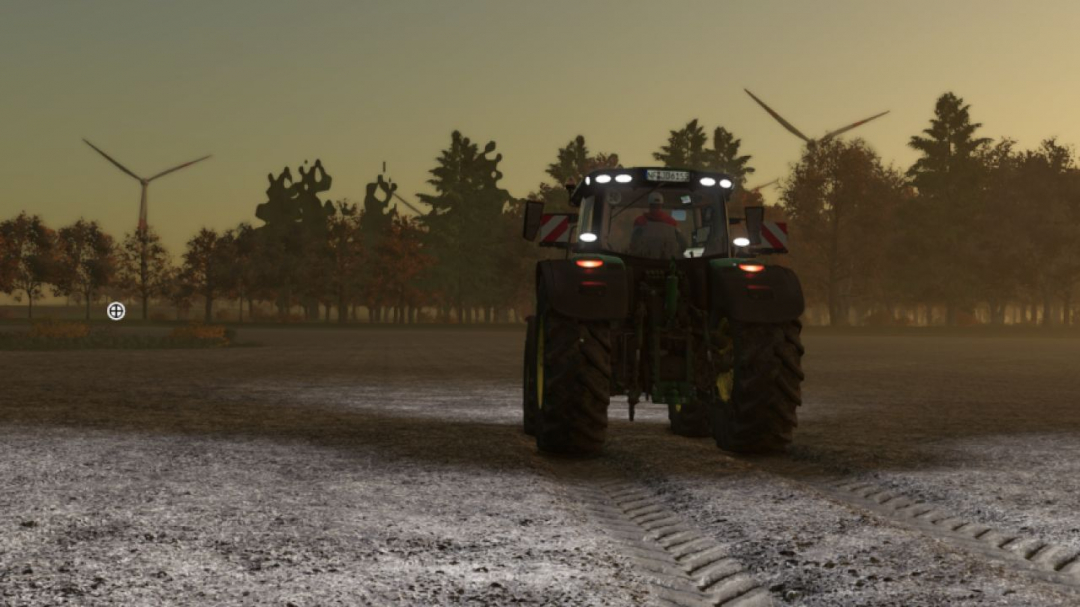
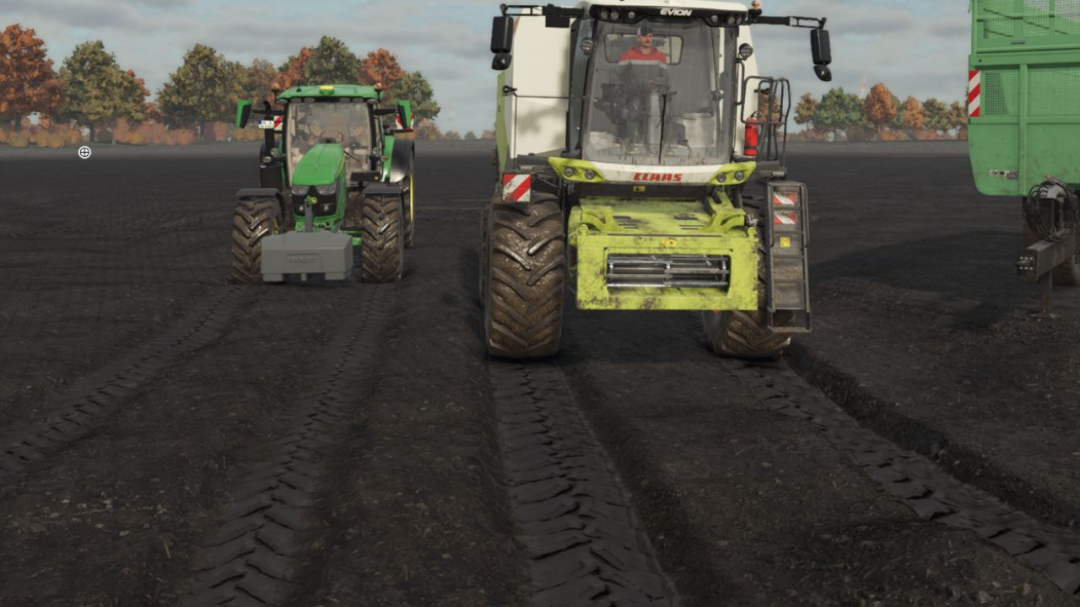
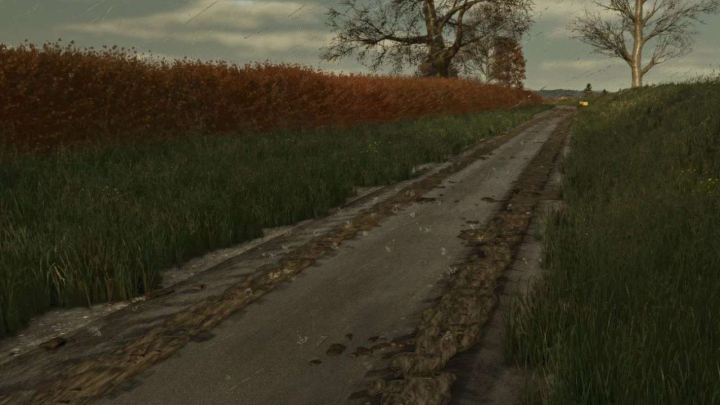
Visual Mud Tracks enhances Farming Simulator 25 by offering a detailed simulation of lane formation, soil moisture, tire behavior, compaction, fruit and root damage, and bogging. Vehicles now respond more realistically to dry, moist, and waterlogged soils. Designed for both single player and multiplayer, it integrates seamlessly with the Realistic Water & Soil Management System. Soil moisture, load capacity, and waterlogging influence not only visual effects but also tire contamination, sinking, slippage, driving resistance, and plant damage. Physical lanes and terrain grooves are created by tires, which can permanently indent the terrain heightmap. The depth and width of these tracks are calculated individually for each wheel, considering factors like vehicle weight, wheel load, tire dimensions, pressure, soil moisture, saturation, capacity, speed, slip, cornering, previous crossings, and attachments. Left and right bike lanes remain separate, with grooves having narrow, steep cross sections to prevent large-area sinking. Existing tracks can be deepened with additional crossings, with a maximum depth to prevent extreme terrain deformation. Tracks are generated directly at the contact point of the wheels, accounting for steered, mirror-mounted, and differently aligned wheels. Tillage equipment can restore terrain by removing physical lanes, supporting plows, cultivators, disc harrows, subsoilers, mulchers, reels, seeders, direct seeding machines, and planters. Terrain resets only within the current work area, removing visual traces and pending calculations. The Safe Terrain Journal manages separate savegame files to store terrain modifications, allowing controlled resets and resumable restores after interruptions. When updating, old lanes should be removed with tillage equipment to prevent residual grooves. Tires visibly and physically sink into soft, wet surfaces, with sinking behavior governed by wheel physics radius, reacting in a controlled manner. Sinking depth depends on soil moisture, saturation, capacity, wheel load, tire dimensions, pressure, speed, slip, and track depth. Wide tires distribute load better, while narrow tires cut deeper. Tire pressure can be adjusted during gameplay, with values saved per wheel and synchronized in multiplayer. Lower pressure increases contact area and grip on soft ground, reduces cutting, and eases extraction from soft tracks. Higher pressure reduces contact area, increases cutting, and may cause stuck situations on wet terrain but is advantageous on solid ground. A compact HUD displays current pressure in bars, color-coded for quick assessment. The Soil Moisture HUD shows the current RWSM topsoil percentage, with values above 100% indicating severe waterlogging. Soil moisture influences sludge content, tire contamination, particle effects, capacity, sinking depth, grip, slip, groove depth, and plant damage. Irrigation-induced soil moisture changes can alter soil physics. Mud and dirt accumulation on tires are tracked individually, with dirt remaining after leaving the field and cleaning over surfaces like asphalt, gravel, or dirt roads, depending on speed and rain. Particle effects differentiate dry earth from wet mud, with particles generated based on wheel rotation, slip, tire dimensions, moisture, sink factor, and load, only when in contact with suitable ground. In waterlogged or unstable terrain, vehicles can become progressively stuck, with continuous slippage digging wheels in further and reducing grip, increasing resistance. Factors like soil moisture, saturation, capacity, wheel load, pressure, slip, speed, engine load, and working resistance influence this process. Implements like plows and cultivators add pulling resistance, which can be reduced by lifting or reversing. Vehicles cause soil compaction depending on wheel load, moisture, slip, and passes, with effects visible in the field info. Soil structure and compaction levels can be monitored, with targeted reconsolidation possible via rolling. Soil damage, including fruit and root damage, occurs when plants are in tire contact zones, with damage severity influenced by wheel load, tire width, soil moisture, slip, growth stage, root health, and crossing frequency. Young plants are more sensitive, and repeated crossings increase damage. Root health is tracked per soil cell, declining due to high load, wetness, slip, cornering, multiple crossings, poor growth stages, or soil compaction. Declining root health raises the risk of plant damage, with thresholds at 70%, 40%, and 20%. Root health recovers biologically over time. The field info and settings menu extend land value data to include soil compaction, underbody status, root health, soil structure, sink factor, capacity, and damage indicators. The menu provides detailed explanations of all options, including high and low values, interactions, performance impacts, and save game effects. Available in twelve languages. Multiplayer synchronization is optimized by processing key physics calculations server-side, with tire pressure, contamination, and soil conditions synchronized across clients. Performance is maintained through limited groove points, adjustable storage intervals, event and cache management, sleeping cells, reduced refresh rates, delayed particle system initialization, and clean removal of particle effects. Version 1.3.6.3 introduces reduced slip in extreme wet conditions and adds all tillage equipment. The mod requires the Realistic Water & Soil Management (RWSM) mod to operate.
Comments:
Login to place a comment: Login