


 80.02 MB
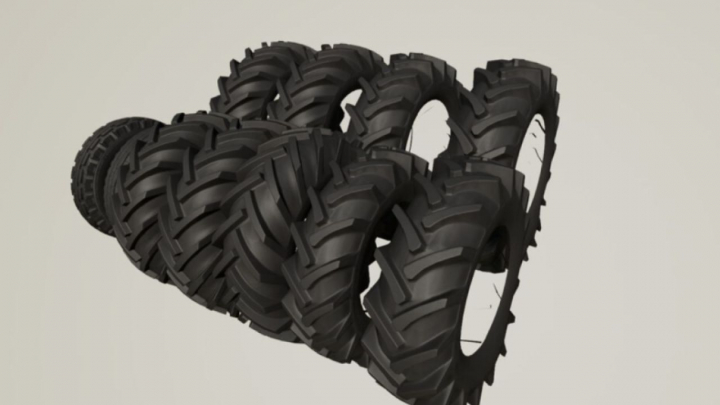

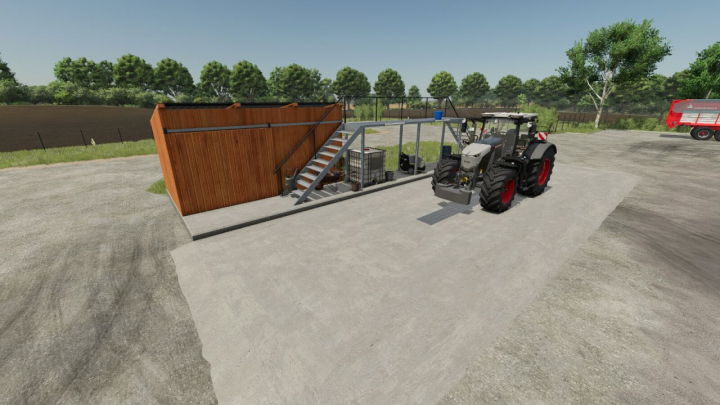
Mitas Tires (Prefab) V1.0


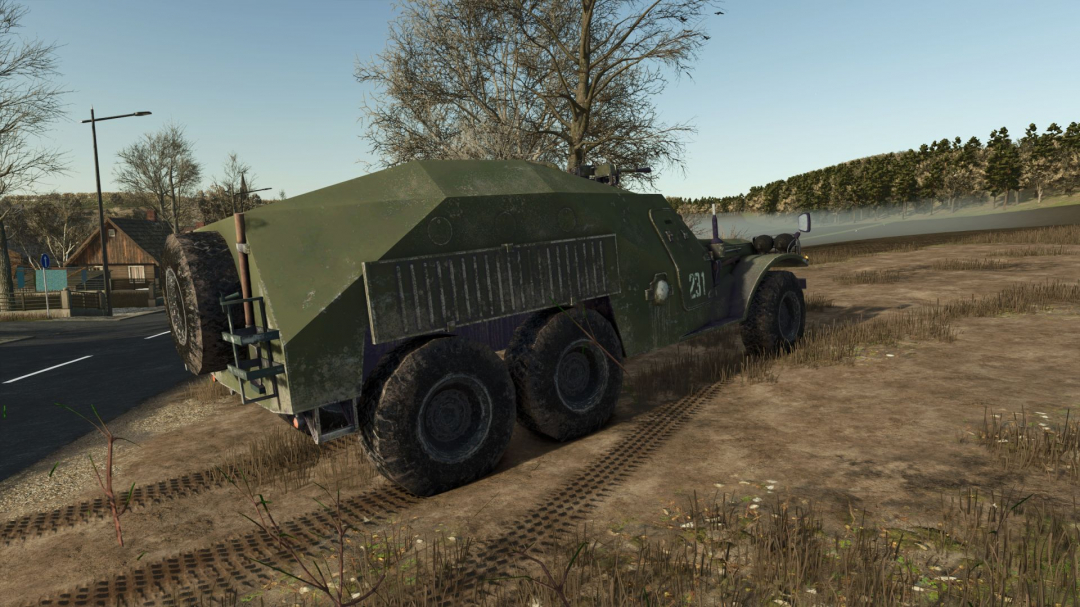
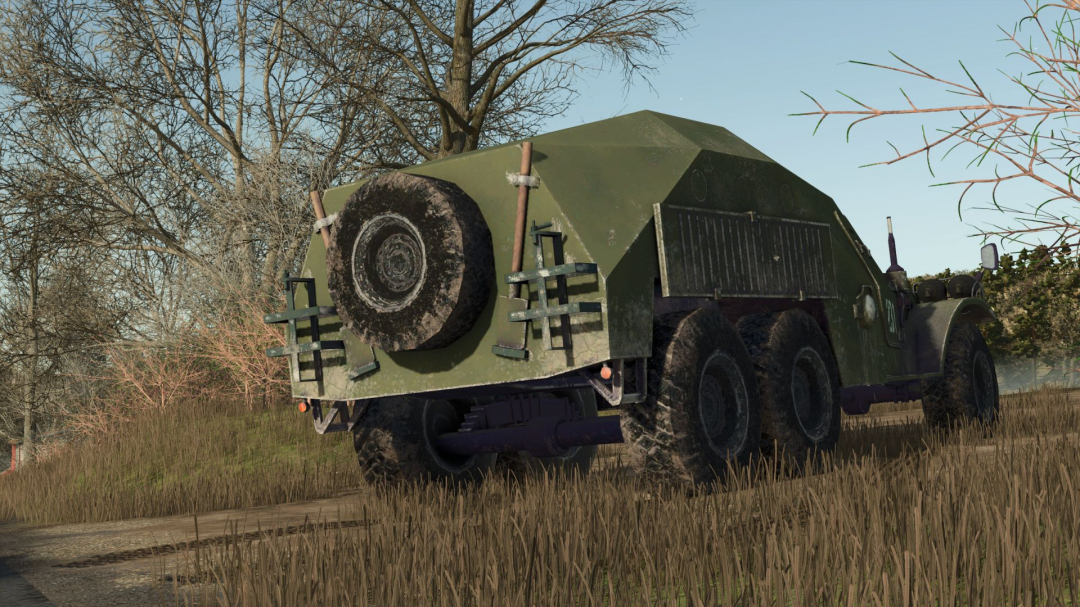
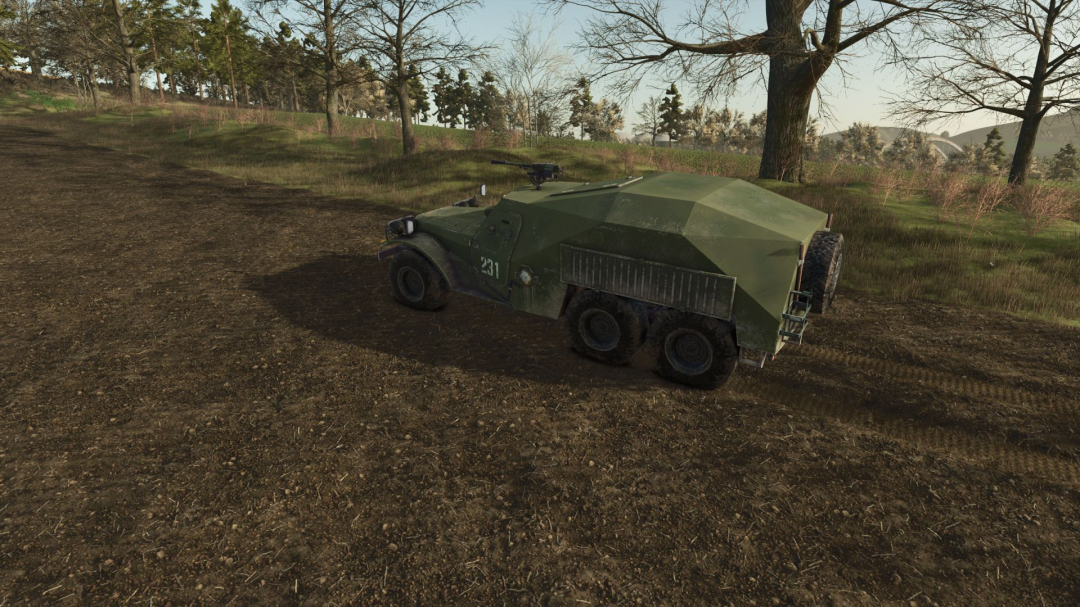
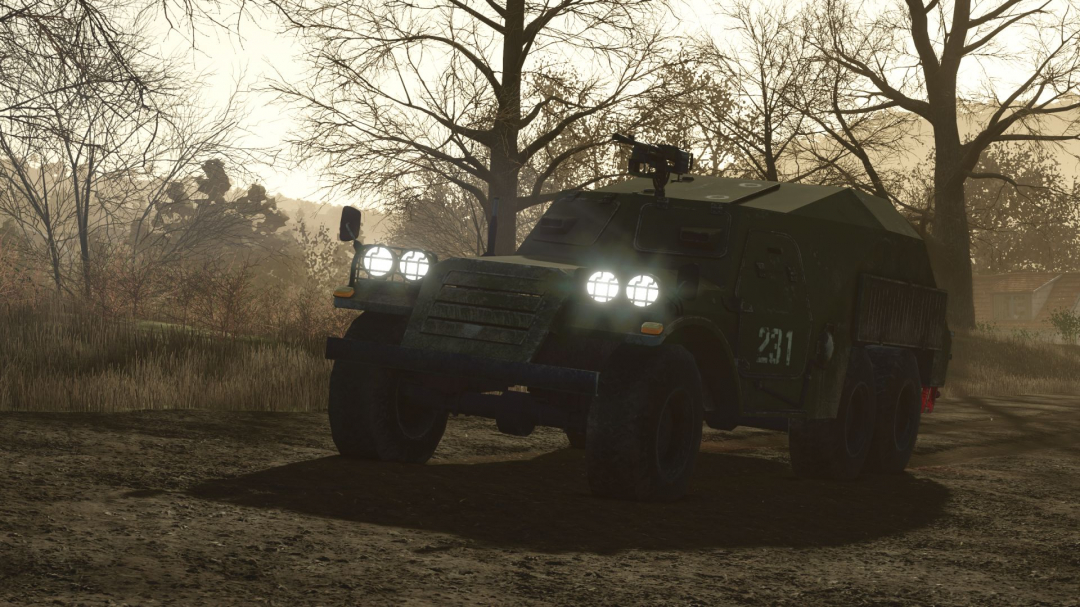
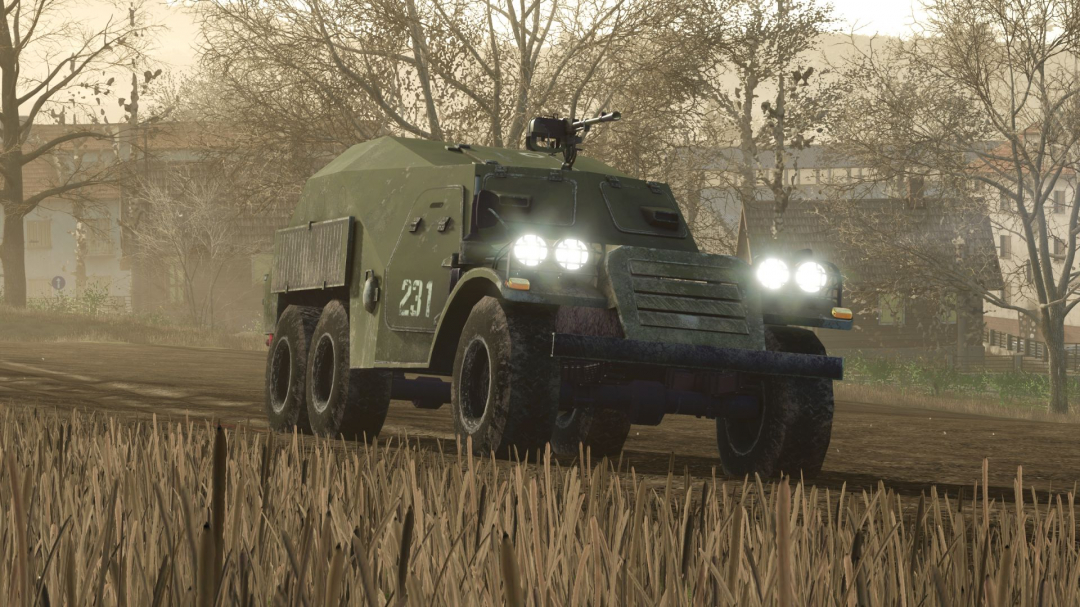
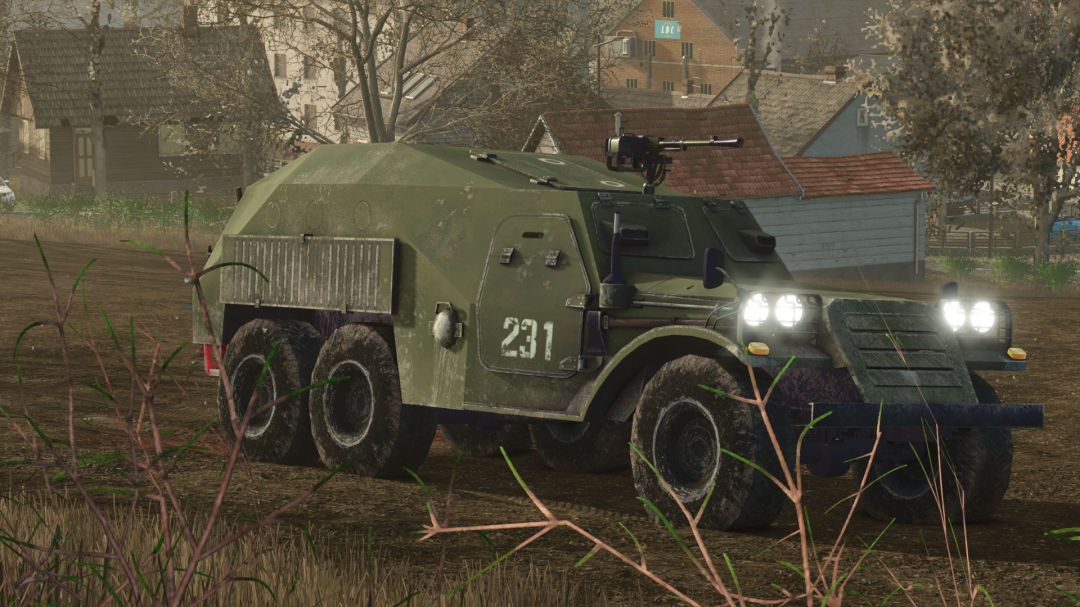
The BTR-152K is a modernized, specialized version of the Soviet-era BTR-152, which was the first mass-produced armored personnel carrier (APC) used by the Soviet Army. The "K" suffix indicates the addition of an armored roof, transforming the original open-topped design into a fully enclosed vehicle. **Summary** The BTR-152K marks a significant step in the development of Soviet armored troop transport. By adding an armored roof and ventilation system, the Soviets addressed the main vulnerabilities of earlier models: exposure to small arms fire, grenades, and radioactive fallout from tactical nuclear weapons. Although eventually replaced by the amphibious BTR-60, the BTR-152K remained a reliable and cost-effective transport for motorized rifle units for many years. **Technical Characteristics** Chassis: Built on the ZIL-157 truck chassis, offering excellent off-road capabilities with a high-mobility 6×6 drivetrain. Protection: The key feature of the "K" model is its armored, hard-top roof. This upgrade greatly enhanced crew safety but required the installation of an internal ventilation system to manage heat and fumes from the engine and personnel. Crew & Capacity: Typically transports up to two crew members (driver and commander) and approximately 13 to 15 fully equipped infantry soldiers. Armament: Usually fitted with a single 7.62mm SGMB or PKT machine gun mounted on a pintle for suppressive fire. Performance: Lacked amphibious capabilities, which was a limitation compared to newer water-crossing designs. **Military Importance** Operational Survivability: The enclosed roof was a strategic response to the evolving battlefield in the late 1950s, offering better protection against airburst munitions and artillery shrapnel. Versatility: Besides troop transport, the chassis was adapted for various roles including mobile command posts, radio platforms, and ambulances. Global Proliferation: Like many Soviet vehicles of its time, the BTR-152K was widely exported to Warsaw Pact allies, the Middle East, and African nations, where its simplicity and durability made it a common sight in conflicts throughout the second half of the 20th century. **Performance** Ruggedness: The ZIL-157 drivetrain enabled it to handle mud, snow, and rough terrain better than standard trucks, although the lack of independent suspension resulted in a bumpy ride. Reliability: Its mechanical simplicity made maintenance easier in the field with limited specialized equipment. Limitations: The added weight of the armored roof and ventilation system increased the vehicle's top-heaviness, slightly reducing off-road agility compared to the original open-topped BTR-152.
Comments:
Login to place a comment: Login