


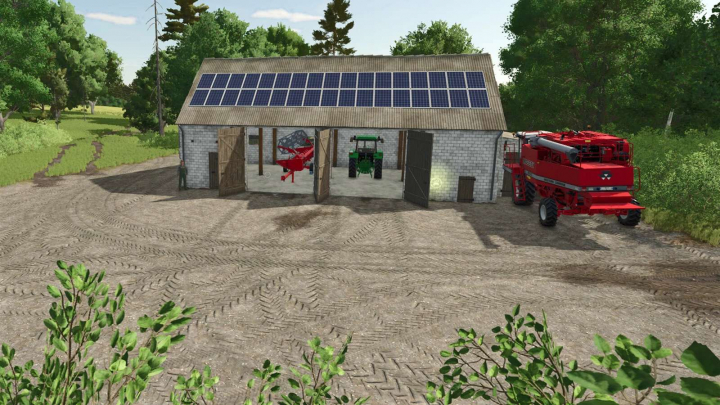

Old Farm v1.0


3
Your rating:
karl zu
 37.54 MB
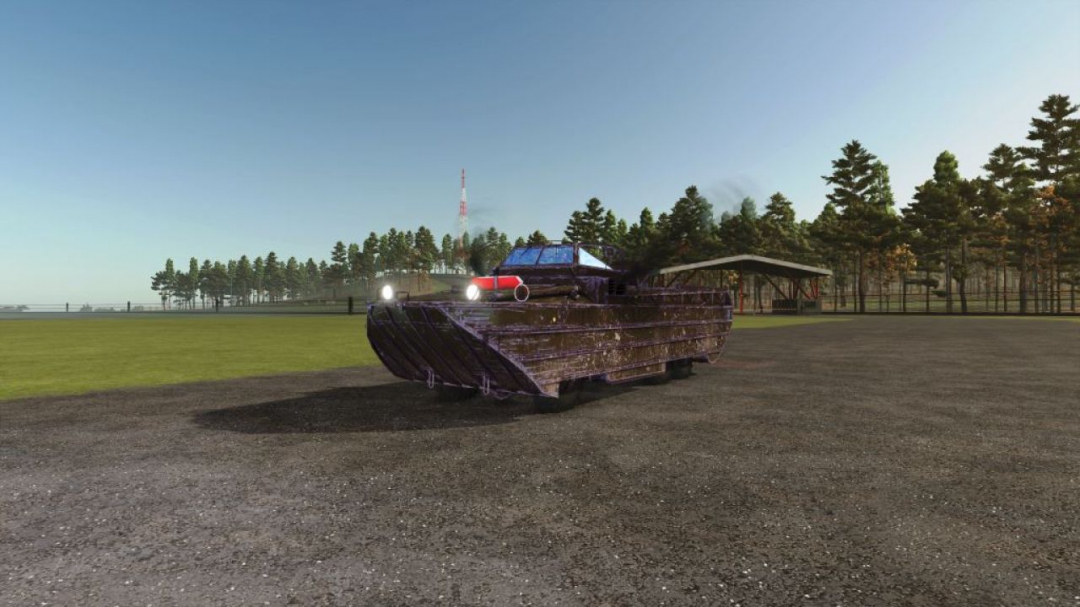
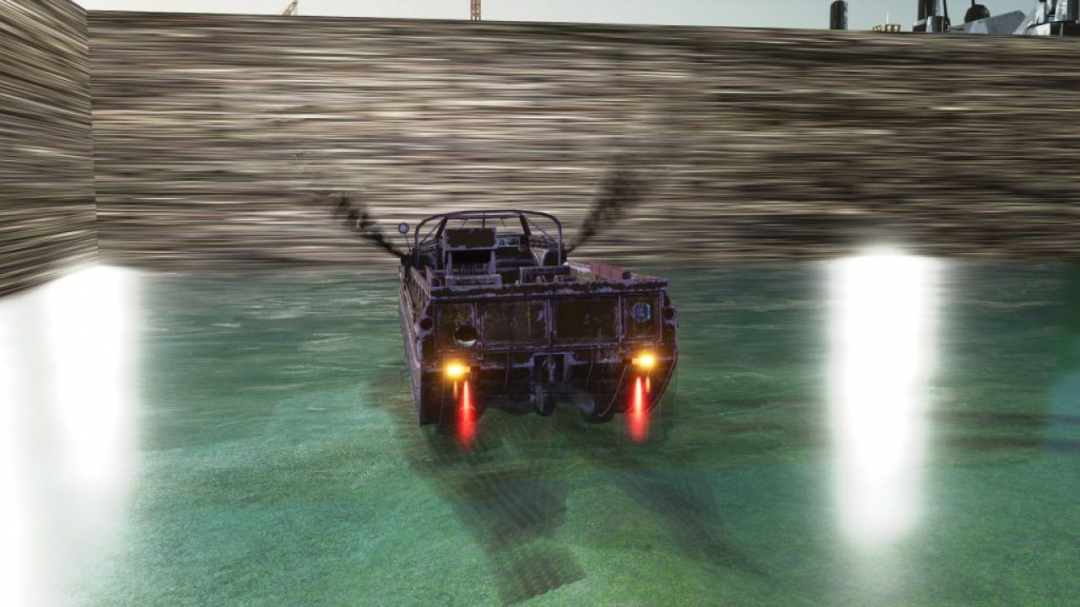
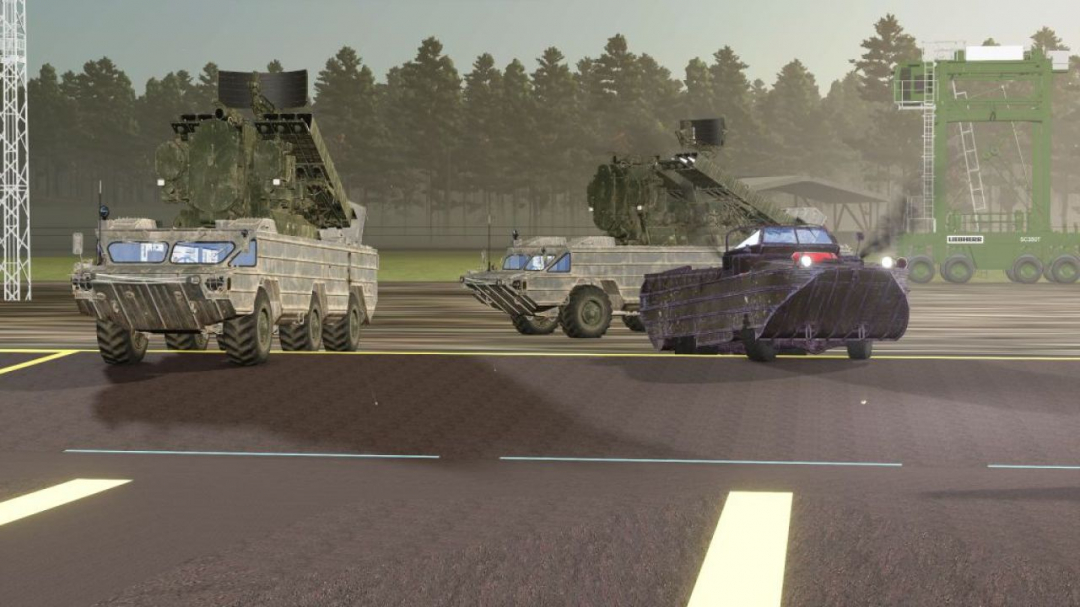
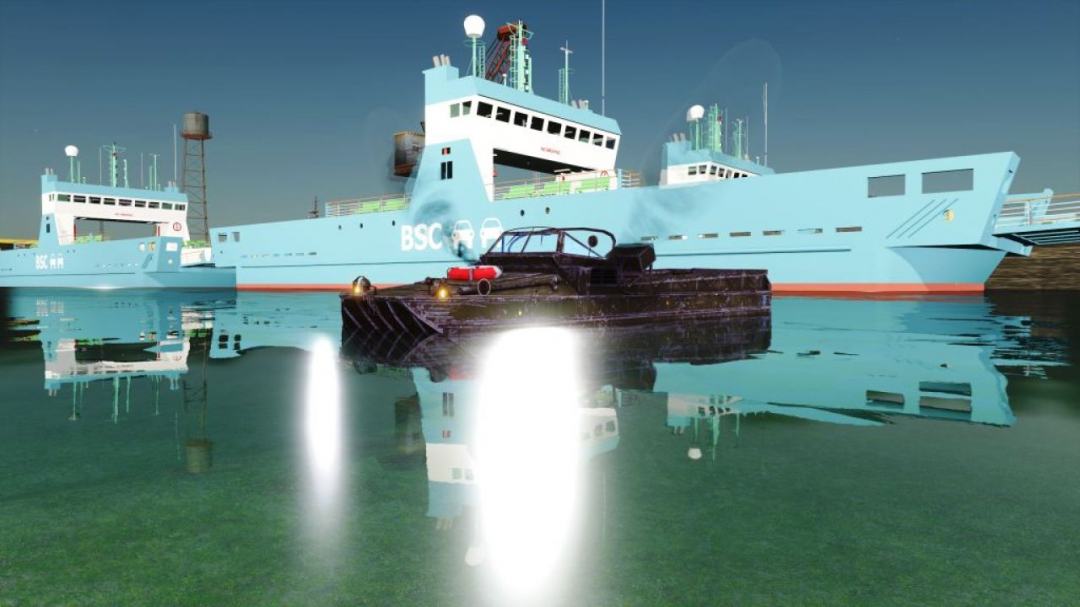
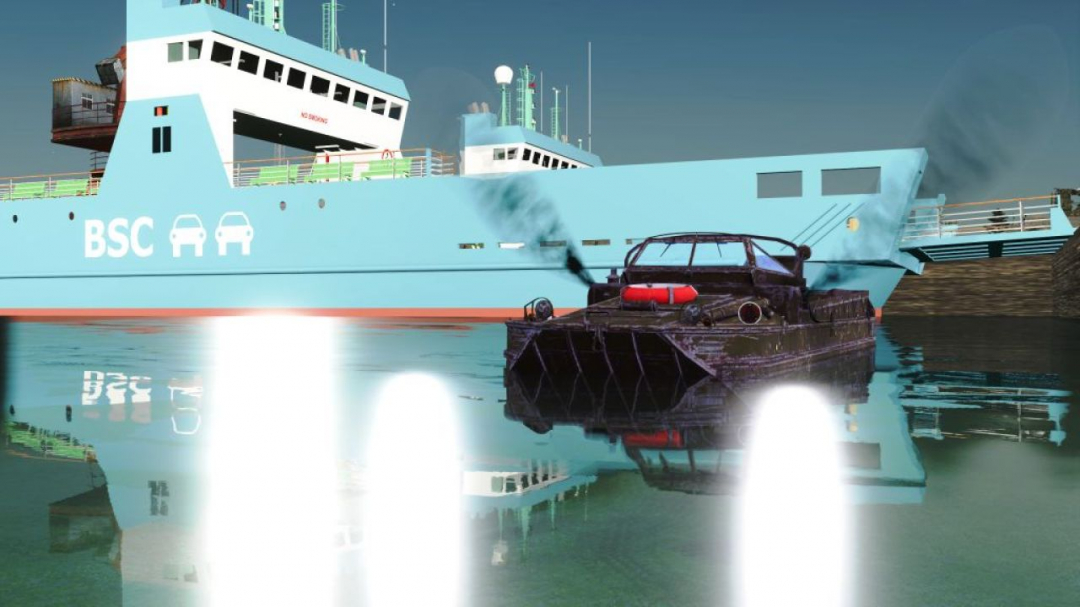
BAV-485 (ZIS-485 / ZIL-485) Amphibious Transport: Technical and Operational Overview **Technical Characteristics** - 6×6 Heavy Amphibious Chassis: Built upon a specialized watertight steel boat-hull architecture integrated with heavy multi-axle truck platforms (initially derived from the ZIS-151 and later updated using ZIL-157 components as the ZIS-485A / BAV-A). - Propulsion System: Equipped with dual operational capabilities—a standard multi-speed automotive transmission for land mobility and a dedicated power take-off (PTO) marine propeller drive paired with rudders for water navigation. - Cargo and Access Layout: Features a large open-deck cargo bay complete with a rear loading gate (improving upon earlier WW2 designs like the US DUKW) and an internal bilge pumping system to manage water displacement while afloat. **Tactical and Operational Utility** - River Crossings and Amphibious Assaults: Designed primarily for motorized infantry and engineering units to force rapid wet-gap crossings, transporting troops, artillery systems, and heavy materiel directly from water to land. - Logistical Supply: Acts as an essential heavy ferry vehicle capable of bridging gaps where bridges are destroyed or absent during high-tempo operational maneuvers. **Strategic Importance** - Post-Soviet Mobility Doctrine: Served as the standard Soviet amphibious truck through the Cold War until it was progressively replaced by larger tracked platforms like the PTS series. - Simulation and Modding Value: Represents a historically significant heavy amphibious transport that brings complex water-to-land logistics and specialized vehicle handling to simulation environments.
Comments:
Login to place a comment: Login