


 108.90 MB


Gascon / Zeppelin 5 Arms Subsoilers V1.0


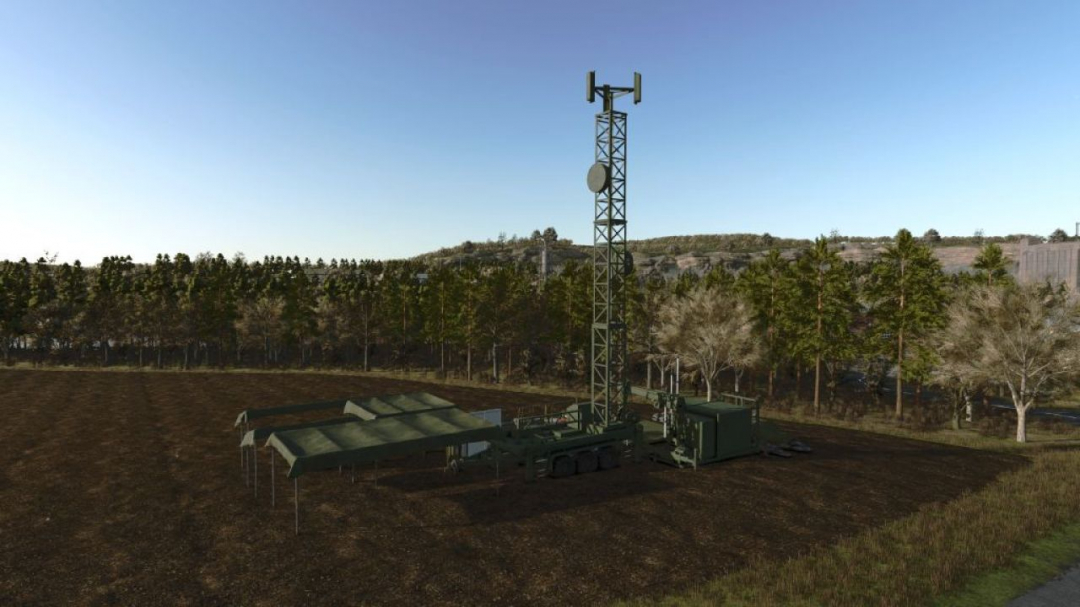
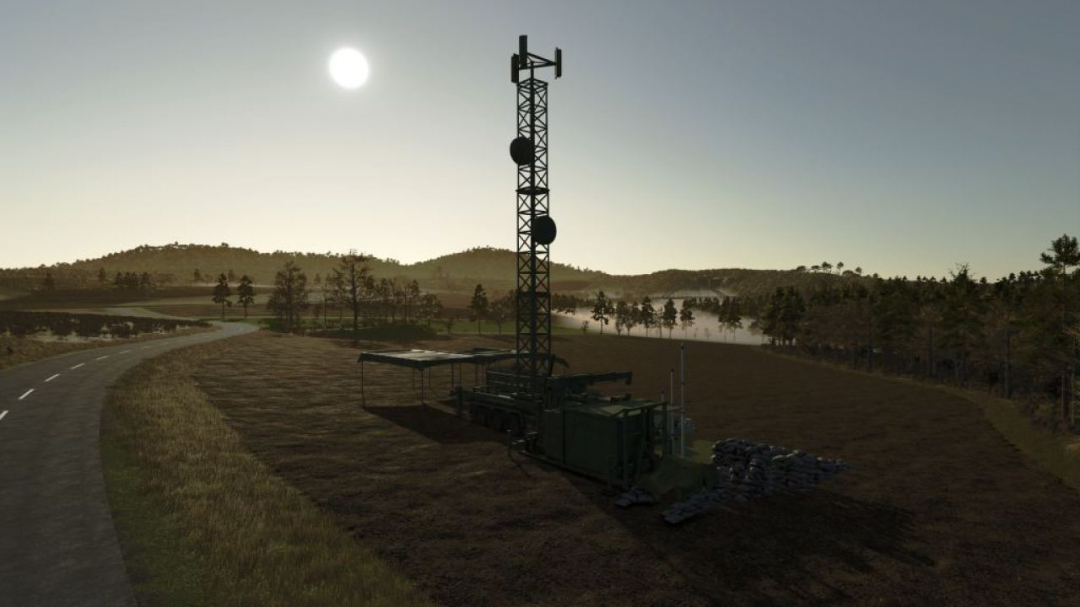
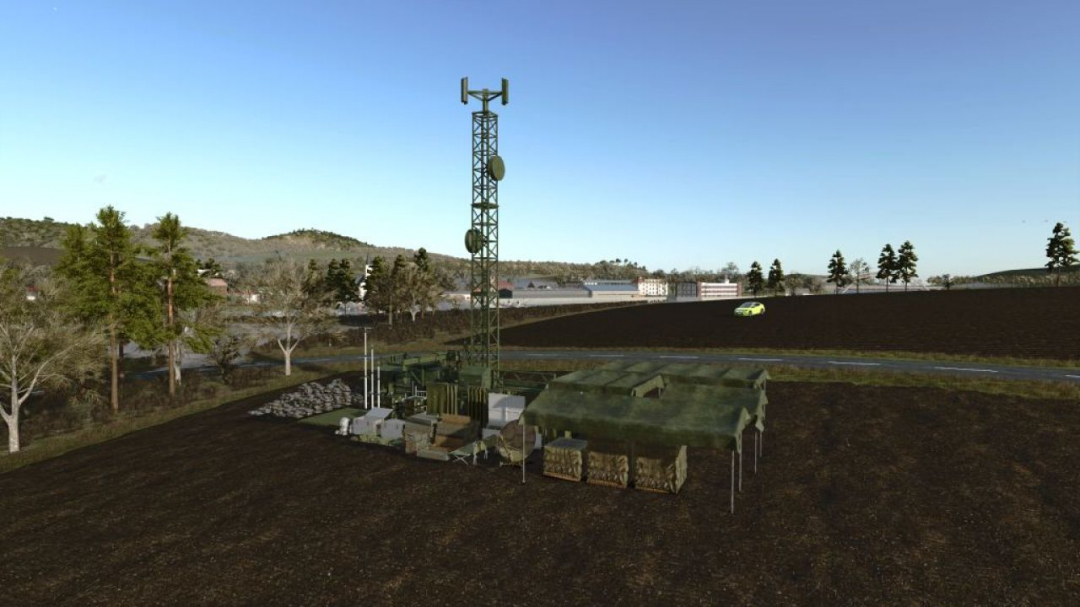
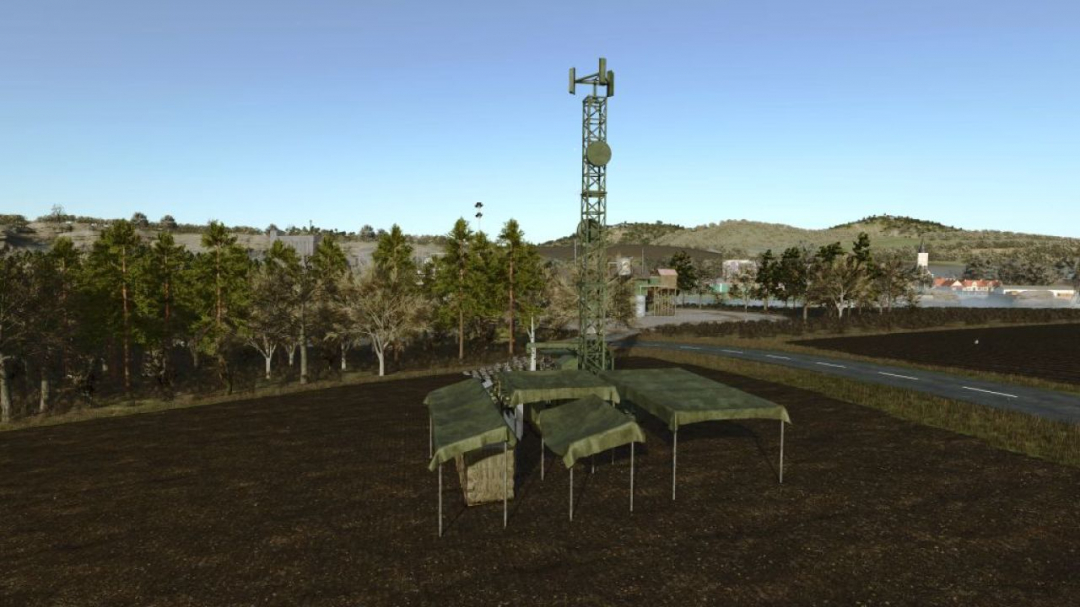
1. Characteristics of the Communications System This setup functions as a mobile military communications and electronic surveillance station, designed for quick deployment in field operations. Its main features typically include: - A telescopic metal tower providing elevated height for maximum range and line-of-sight. - Directional and omnidirectional antennas for tactical radio links, microwave transmission, and long-distance communication. - Parabolic dish antenna for satellite communication or high-bandwidth data transfer. - Technical shelters or containers housing: - Wideband military radios - Signal processors and servers - Encryption and secure communication modules - Electronic intelligence equipment (SIGINT) - Independent power generation (diesel generators or battery systems) - Field tents or shelters for operators, maintenance crews, and mission control. - Rapid deployment capability in remote or infrastructure-limited environments. 2. Operational Utility This type of system is essential in modern military operations because it enables: - Secure communication networks between deployed units and command centers. - Real-time data transmission (video feeds, telemetry, tactical information). - Independent communication infrastructure, separate from civilian networks. - Coordination of drones, vehicles, radars, and sensors across the battlefield. - Connectivity for dispersed units in areas without telecom coverage. - Electronic surveillance (SIGINT) such as signal interception and spectrum monitoring. - Satellite link capability for long-range or international operations. 3. Strategic Importance Its strategic value is extremely high due to: - Ensuring command and control (C2) in critical missions. - Providing operational autonomy for forces deployed far from bases. - Maintaining communication in blackout zones or hostile environments. - Protecting transmissions through military-grade encryption. - Enabling joint operations between different branches or allied forces. - Supporting electronic warfare, early warning, and air-defense networks. - Reducing vulnerability to jamming, sabotage, or infrastructure failure. Summary for technical documentation Mobile communications and electronic surveillance station equipped with a telescopic tower, directional antennas, satellite dish, and technical shelters. Provides secure communications, high-capacity data links, tactical coordination, and SIGINT capabilities in remote environments. Critical for command and control, operational autonomy, and electronic warfare support.


Comments:
Login to place a comment: Login